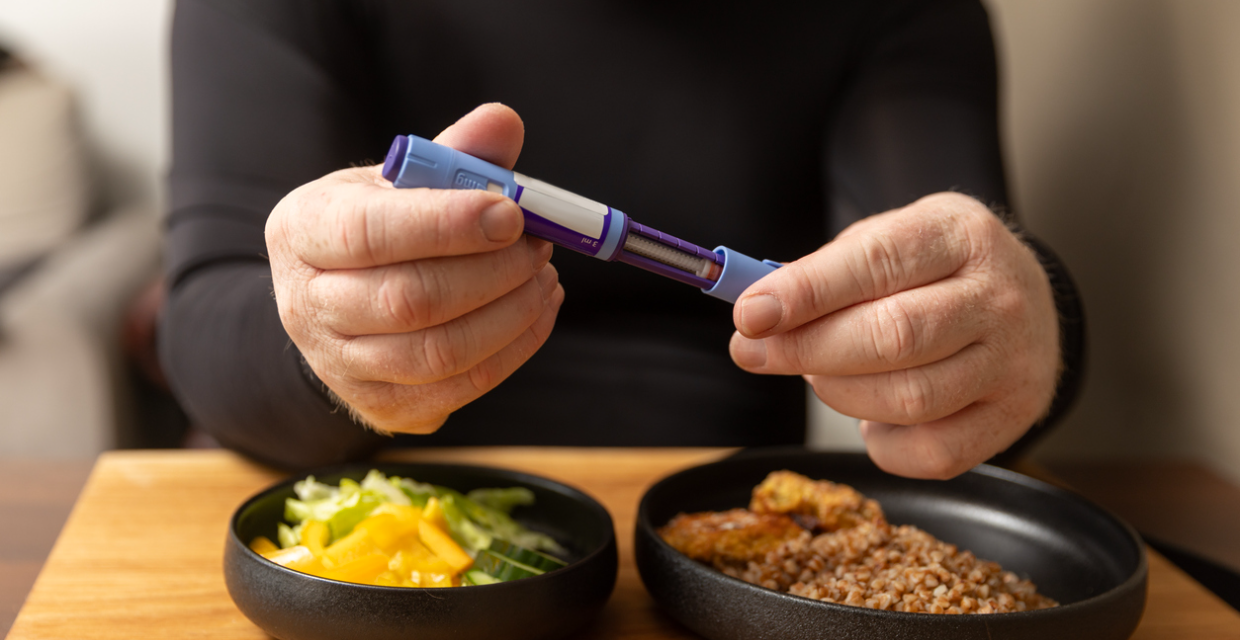
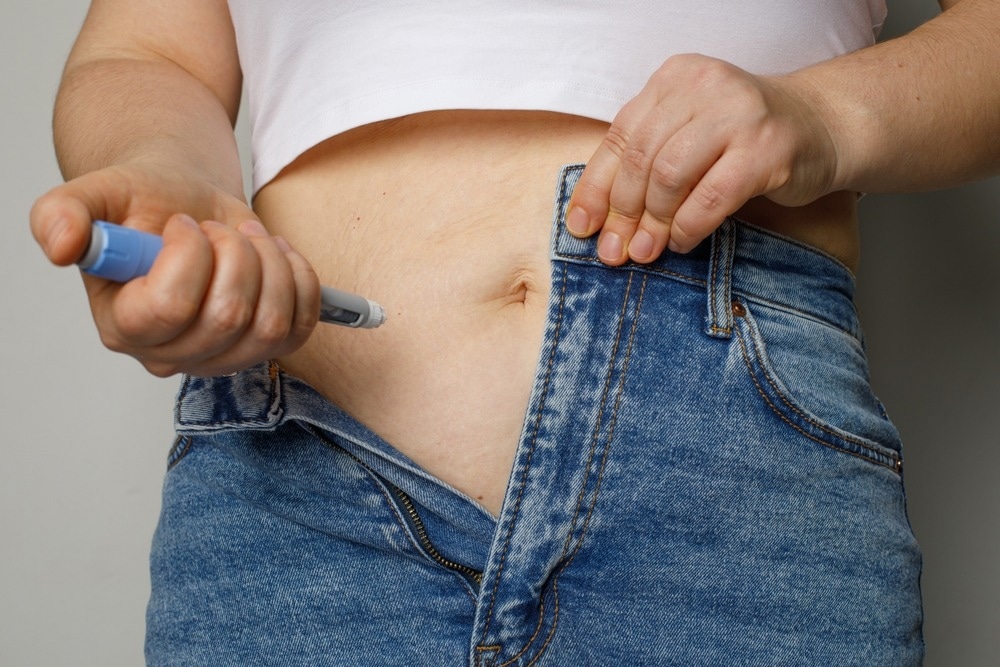
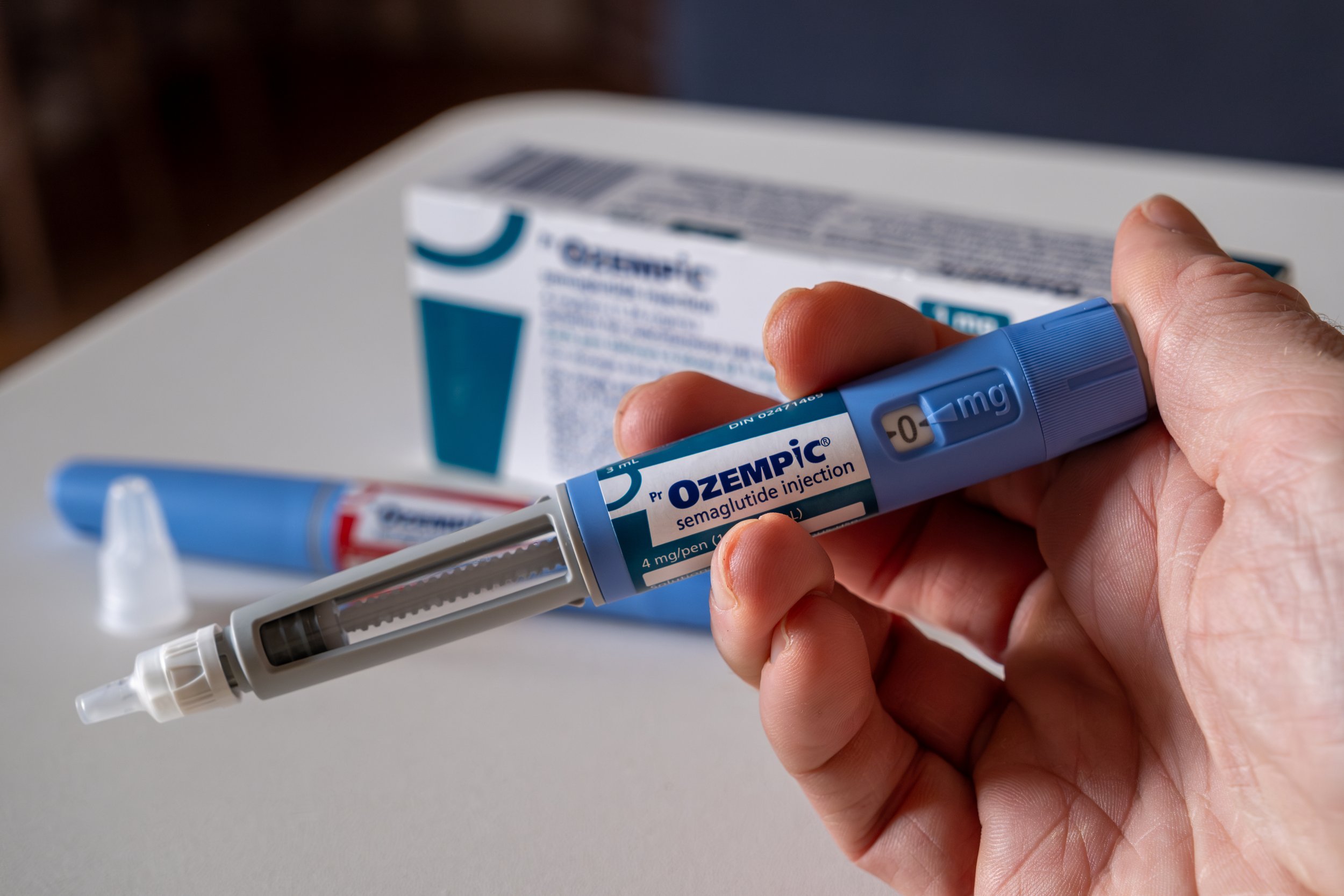
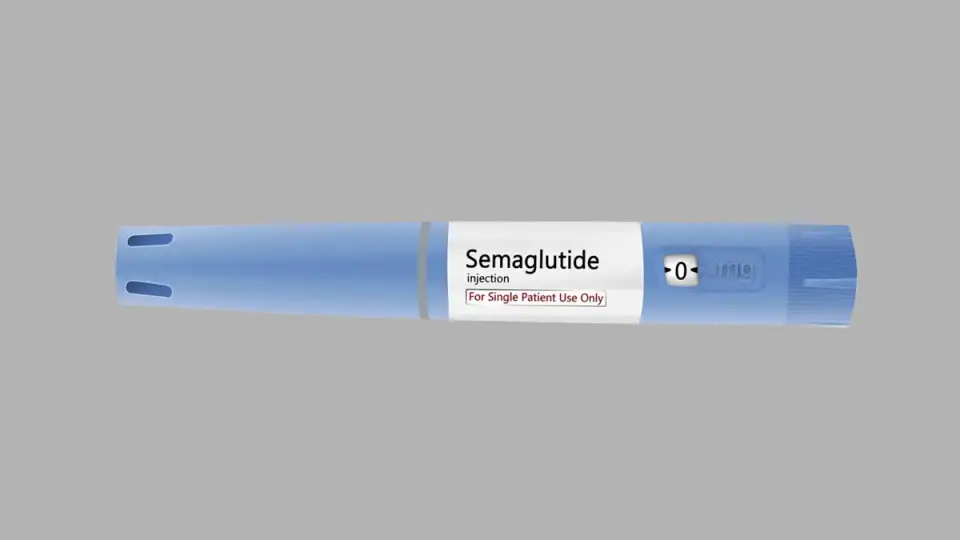
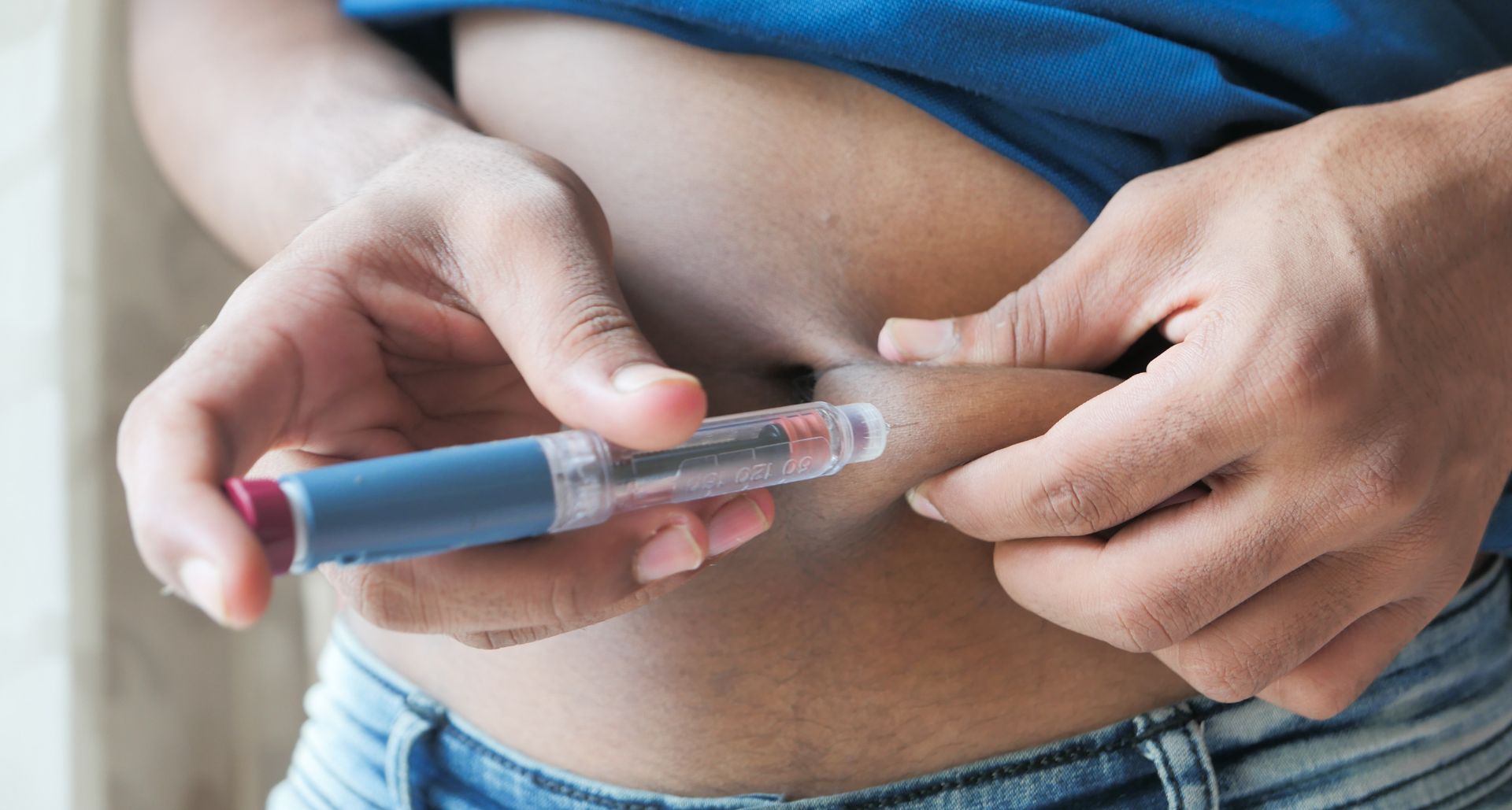
Factors such as daily dosing schedules, strict timing requirements, side effect tolerance, and long-term adherence can influence whether patients remain on treatment long enough to see meaningful results
Note: this study has not yet been published in a peer-reviewed journal
Type 2 diabetes mellitus (T2DM) is a metabolic disorder characterized by chronically elevated blood glucose levels

Barbiturates Older CNS depressants Increase the duration of GABA-A receptor opening Narrow therapeutic window high overdose risk Strong respiratory depression Rarely used now (due to safety issues) Examples: phenobarbital, thiopental Non-Barbiturates (modern sedative-hypnotics) Safer and widely used Enhance GABA-A activity more selectively Lower risk of fatal respiratory depression (still risky with misuse) Preferred in clinical practice today Examples: benzodiazepines, Z-drugs (zolpidem, zopiclone) Key exam trap: Barbiturates = old, risky, enzyme inducers, narrow safety Non-barbiturates = modern, safer, preferred #Pharmacology #Pharmacy #PharmaStudents #MedicalStudents #MBBS #InterviewPreparation #PharmaInterviews #ClinicalPharmacy #DrugClassification #Barbiturates #SedativeHypnotics #PharmacologyMadeEasy #StudyMedicine #ExamPreparation #MedEd #HealthcareEducation #NeetPG #USMLEPrep #FMGE To view or add a comment, sign in 3,471 followers